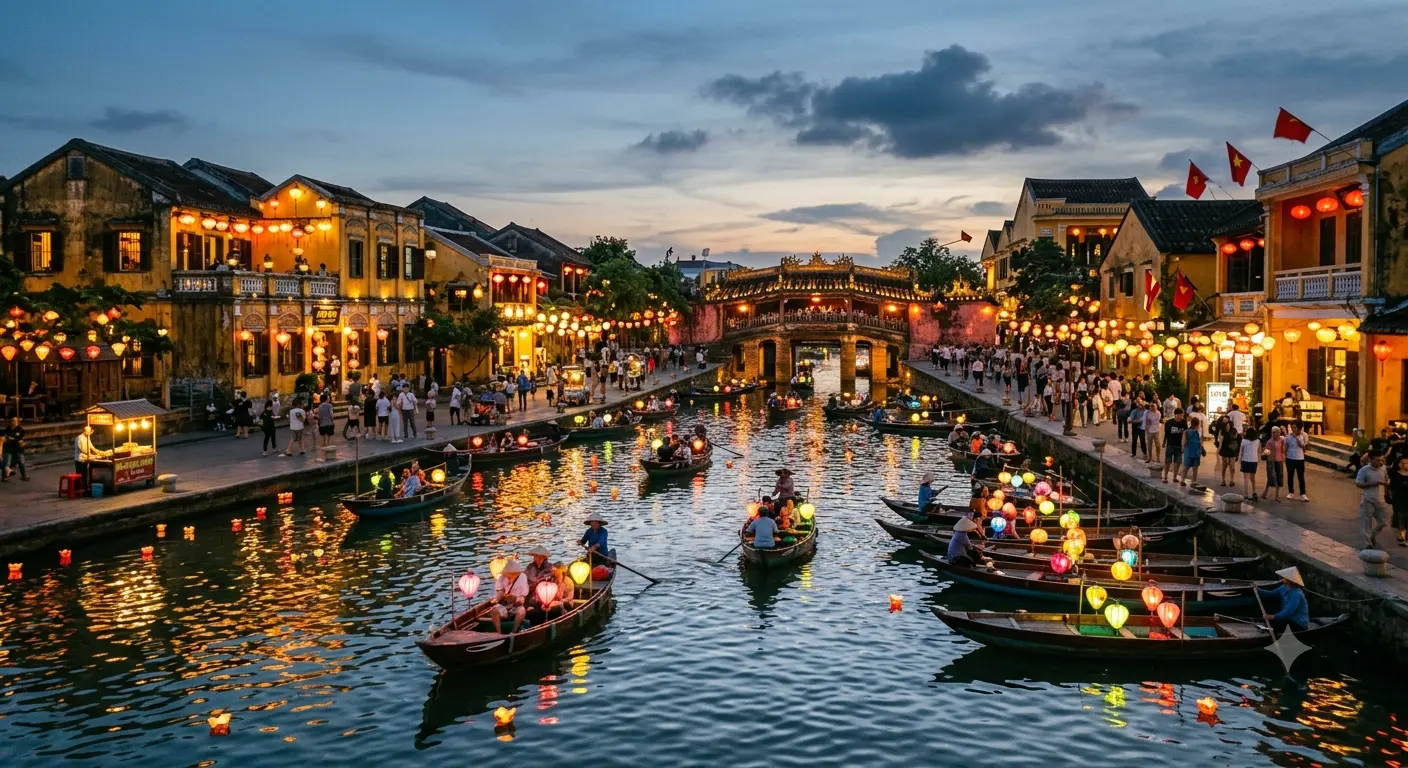
Hoi An is a historic town in central Vietnam, known for its preserved streets, yellow-painted buildings, riverside setting, local food, and lantern-lit evenings. Once an important trading port, it now attracts travelers who want to experience a slower and more atmospheric side of Vietnam.
The town’s historic center is recognized as a UNESCO World Heritage Site because of its architecture, street layout, and cultural importance. This guide explains why Hoi An is special, what to see and do, when to visit, what to eat, and how to prepare for a comfortable trip.
Why Is Hoi An a UNESCO World Heritage Site?
Hoi An became important as a trading port, connecting local merchants with commercial networks across Asia and beyond. Traders from Vietnam, China, Japan, and Europe influenced the town’s architecture, religious buildings, food traditions, and street life.
Much of the historic center retains its traditional scale and layout. Wooden merchant houses, assembly halls, temples, narrow streets, and riverside buildings show how commerce and domestic life developed together over time.
What Makes Hoi An Important?
Hoi An’s value comes from the relationship between its preserved buildings, historic street plan, river setting, and continuing cultural traditions. It is not simply a collection of old structures; it remains a living town where heritage and everyday activity meet.
Best Things to See and Do in Hoi An
Hoi An Ancient Town
Walk through the historic center to see old houses, temples, shops, cafés, and riverside streets. Early morning is often calmer for photography and sightseeing.
Japanese Covered Bridge
This well-known landmark reflects Hoi An’s history of cultural exchange and is a useful starting point for exploring the surrounding old streets.
Hoi An Central Market
The market offers a look at local produce, ingredients, prepared food, household goods, and everyday commerce in the town.
Tan Ky Ancient House
This historic merchant house helps visitors understand how domestic spaces, commercial activity, and different architectural influences were combined.
Phuc Kien Assembly Hall
The assembly hall is associated with the Fujian community and is known for its decorative details and religious importance.
Lantern-Lit Streets
After sunset, lanterns add color to the old town and riverside areas. The atmosphere is best enjoyed by walking slowly rather than rushing between landmarks.
Thu Bon River and Night Market
The river remains central to Hoi An’s identity. Nearby evening markets offer food, souvenirs, lanterns, and a lively setting after dark.
Opening arrangements, access rules, and ticket conditions can change. Check current information before visiting specific historic houses or religious sites.
Hoi An’s Unique Culture and Architecture
Hoi An’s traditional yellow buildings are one of its most recognizable visual features, but the town’s character comes from more than color. Its architecture reflects local Vietnamese traditions alongside Chinese, Japanese, and European influences.
Historic merchant houses often combine living areas, courtyards, storage spaces, and commercial functions. Temples and assembly halls add another layer to the town’s cultural landscape, while lantern-making, markets, food, and river activity connect the heritage area with contemporary local life.
- Traditional yellow façades and wooden details.
- Historic merchant houses with courtyards and mixed architectural influences.
- Chinese assembly halls, temples, and family shrines.
- Lanterns used around streets, homes, shops, and public spaces.
- A close relationship between the old town and the Thu Bon River.
Hoi An Lantern Festival
Lanterns are closely associated with Hoi An’s evening atmosphere and cultural identity. During special celebrations and lantern-focused events, electric lighting may be reduced in parts of the historic area, allowing traditional lanterns to become more prominent.
Visitors may see lantern-lit streets, decorated buildings, evening markets, and floating lanterns on the Thu Bon River. The experience is connected with local traditions and public celebrations, but exact dates, locations, and arrangements can vary.
Check the local calendar before planning a trip around a particular Hoi An lantern festival. Be respectful around religious activities and avoid treating ceremonies as photo opportunities only.
Best Time to Visit Hoi An
Drier Periods
Drier conditions can make walking, cycling, beach visits, and countryside trips more comfortable. These periods may also attract more visitors.
Rainy Periods
Rain can affect river activities, cycling, beaches, and low-lying streets. Carry waterproof footwear or clothing and keep plans flexible.
Planning Around Crowds
Early mornings are often more comfortable for sightseeing, while evenings bring more people to the lantern streets and riverside areas.
Weather patterns can vary. Check the current forecast before planning cycling, boat rides, beach visits, or countryside excursions.
Traditional Food to Try in Hoi An
Hoi An local food is an important part of the town’s appeal. Several dishes are strongly associated with central Vietnam and can be found in family restaurants, markets, and casual eateries.
Cao Lau
Thick noodles are served with pork, greens, herbs, and a small amount of broth or sauce. It is one of the dishes most closely linked with Hoi An.
White Rose Dumplings
These delicate steamed dumplings have a distinctive shape and are usually served with a light dipping sauce.
Mi Quang
A central Vietnamese noodle dish prepared with herbs, toppings, and a small amount of flavorful broth.
Com Ga Hoi An
A rice and chicken dish often served with herbs, vegetables, and accompanying sauces.
Banh Mi
A filled Vietnamese baguette that works well for breakfast, a quick lunch, or an inexpensive snack.
Ask about ingredients if you have allergies or dietary restrictions. Recipes can vary between restaurants and vendors.
How to Explore Hoi An Ancient Town

Walking is the best way to understand the old town’s scale and details. Plan a morning route through historic houses, assembly halls, the Japanese Covered Bridge, and the central market, then return in the evening to see the lanterns.
- Wear comfortable footwear for uneven streets and extended walking.
- Visit early when temperatures and crowds may be lower.
- Use a bicycle to explore nearby villages and countryside roads.
- Allow time for markets, cafés, and quiet side streets.
- Respect heritage buildings, religious spaces, and private homes.
- Check current access arrangements before visiting specific sites.
Hoi An Travel Tips
- Carry drinking water, especially during hot weather.
- Check rain conditions before cycling or taking a boat ride.
- Keep valuables secure in markets and crowded evening areas.
- Carry some Vietnamese dong for small purchases.
- Dress respectfully at temples and assembly halls.
- Ask before taking close-up photographs of residents.
- Allow enough time to explore instead of rushing between sites.
- Keep suitable clothing available for changing weather.
Hoi An and Vietnam eVisa
International travelers should check Vietnam’s current visa requirements before planning a visit to Hoi An. The applicable rules can depend on nationality, passport, travel purpose, and intended length of stay.
Review the latest Vietnam eVisa, Vietnam visa requirements, and Vietnam visa fees before booking your trip. If an electronic visa is required, check the Vietnam eVisa application instructions and allow enough time for the current Vietnam visa processing time.
Visa approval does not guarantee admission. Travelers must comply with current entry conditions and check the information shown on their approved document before departure.
اترك تعليق
شارك أسئلتك أو ملاحظاتك أو تجربتك حول الأخبار.
لا توجد تعليقات حتى الآن
كن أول من يشارك تجربته أو يطرح سؤالاً.